
Learning is so much more than worksheets and lectures.
We believe young people grow through rich, meaningful experiences—the kind that build skills, habits, character, relationships, knowledge, and confidence. These are the ingredients not just for success, but for joy in the real world.
What makes Slope School different?
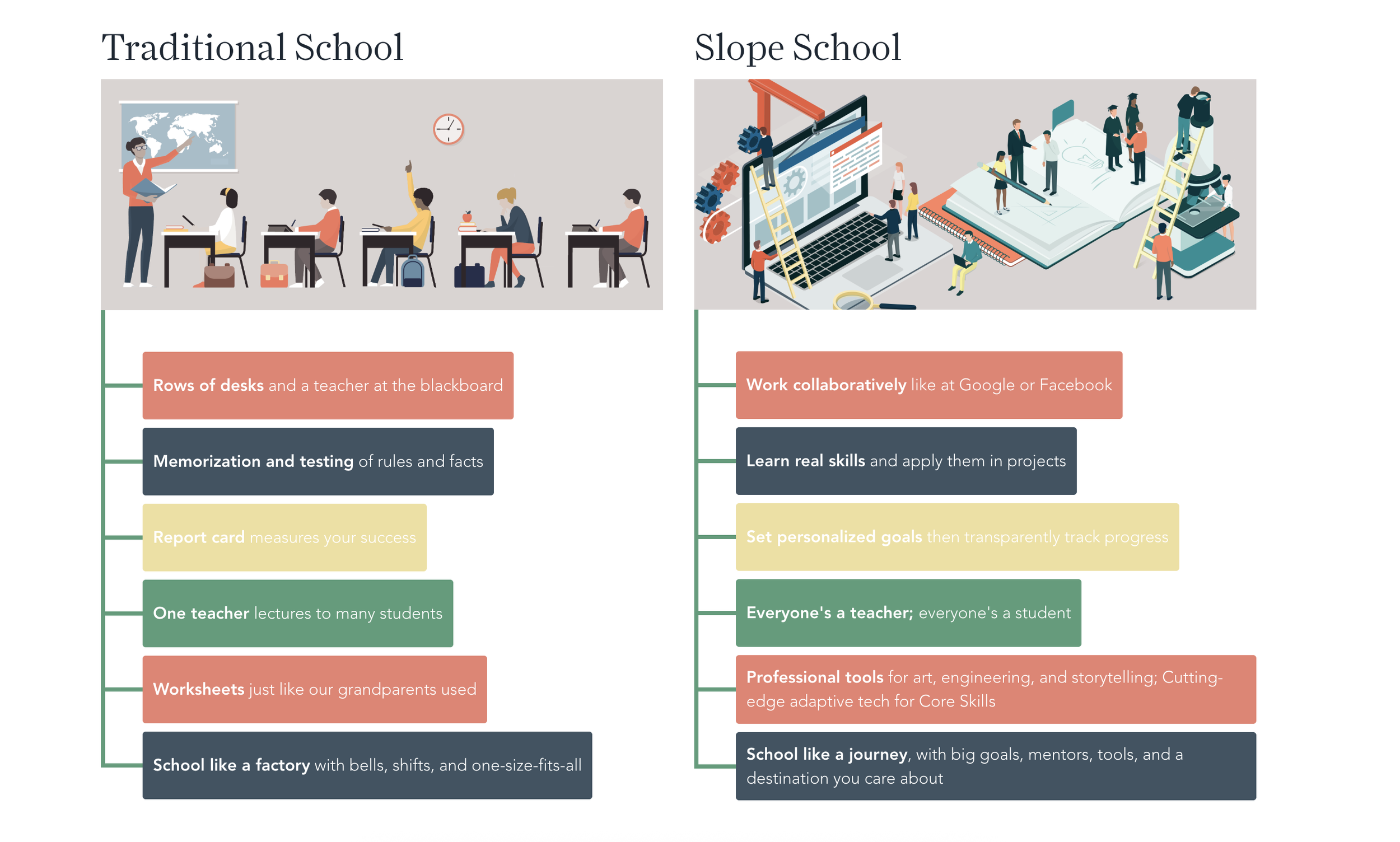
We organize these experiences into four core areas:
2. Quests & Projects “Learn to Do”
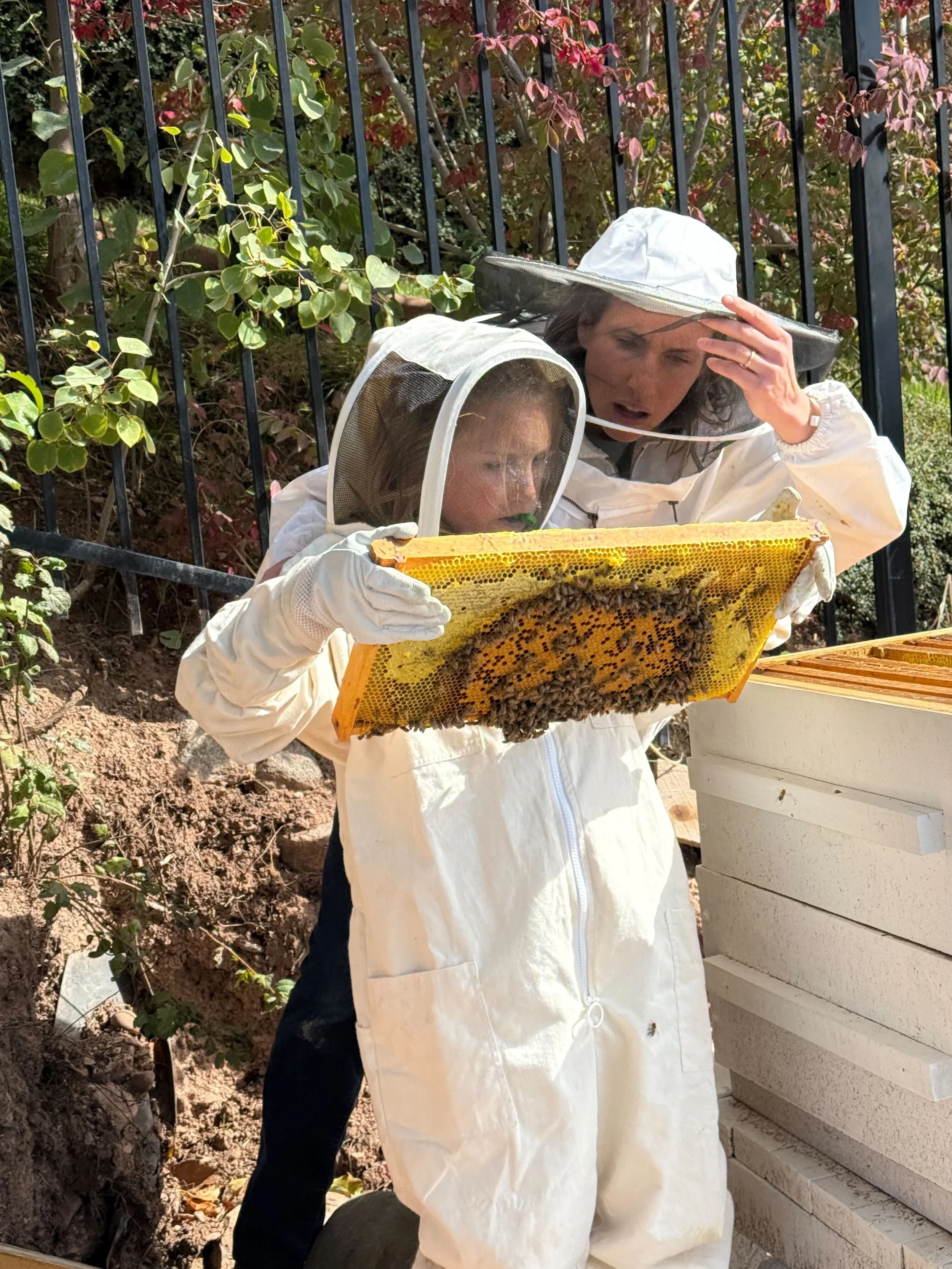
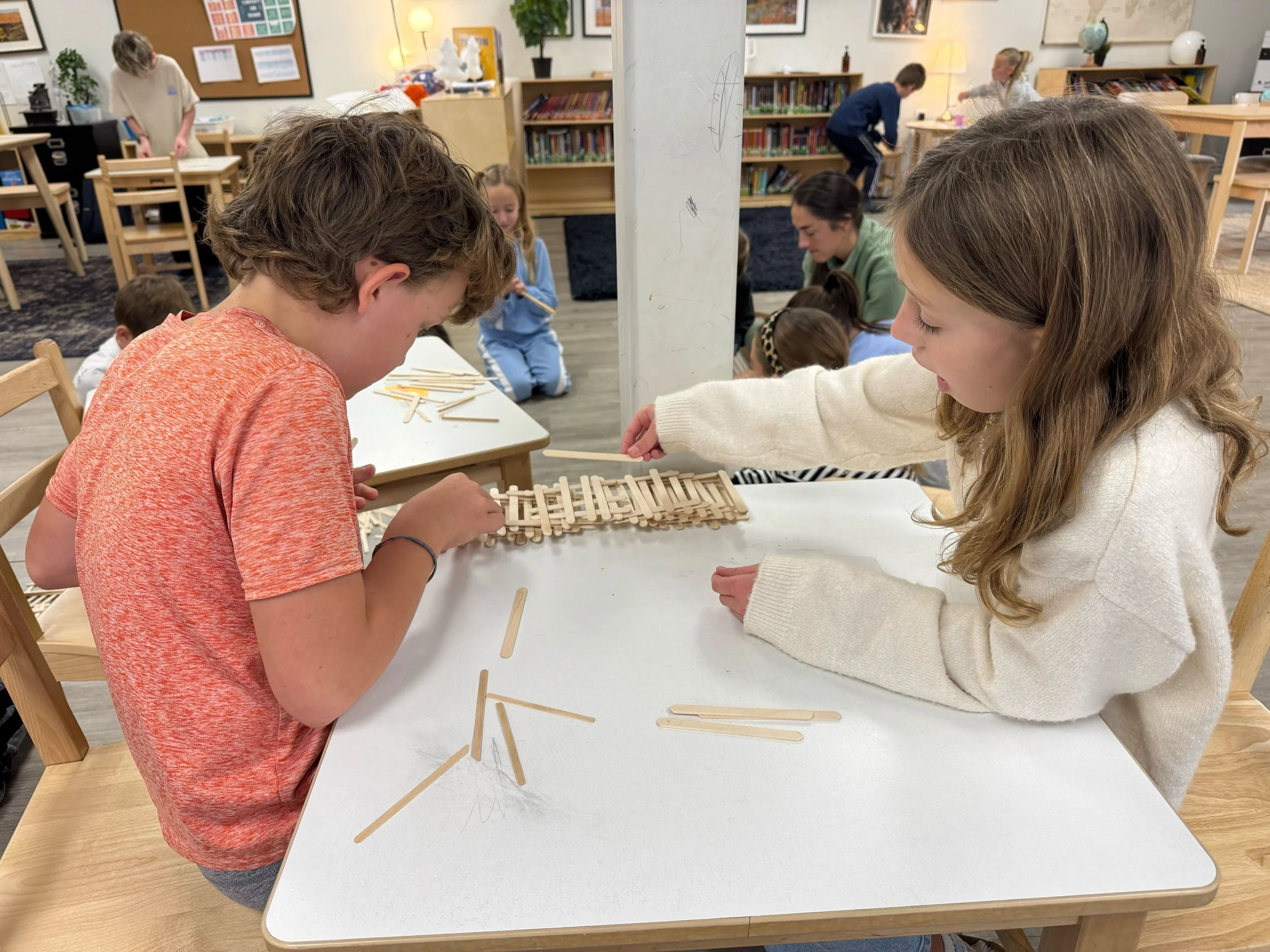
Hands-on, real-world projects bring learning to life and build problem-solving skills.
Instead of memorizing facts for a test…
Students experience: stepping into real roles- like becoming an ER doctor in a six-week medical simulation. They triage “patients,” order tests, and present diagnoses at an Exhibition for families, aiming to save the most lives at the lowest cost.
1. Core Academic Skills “Learn to Know”
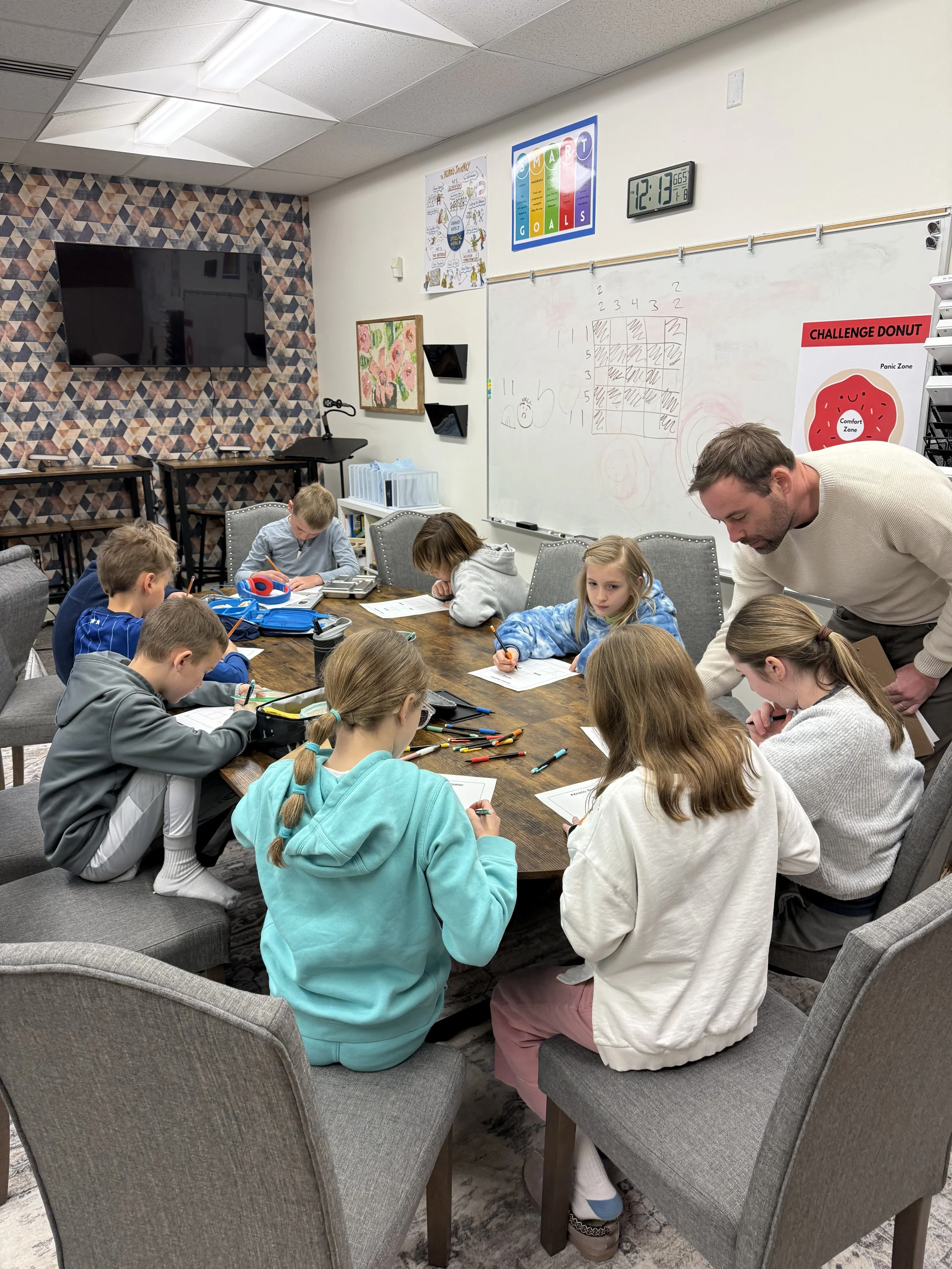
Students master the foundations of reading, writing, and math at their own pace.
Instead of one-size-fits-all lectures…
Students experience: self-paced, mastery-driven learning supported by adaptive technology and peer mentoring—allowing them to progress as soon as they’re ready, like confidently moving through 3rd-grade math once they’ve truly mastered it.
Our Studios
4. Servant Leadership “Learn to Be”
Students practice habits and character traits that shape who they are and how they lead.
Instead of schools focused on managing behavior… Students experience: real leadership- mediating conflicts, mentoring younger learners, completing deliberate practice challenges, or leading a team toward a big goal. Servant Leader Badges celebrate these milestones and anchor a sense of purpose.
3. Socratic Discussions “Learn to Learn”
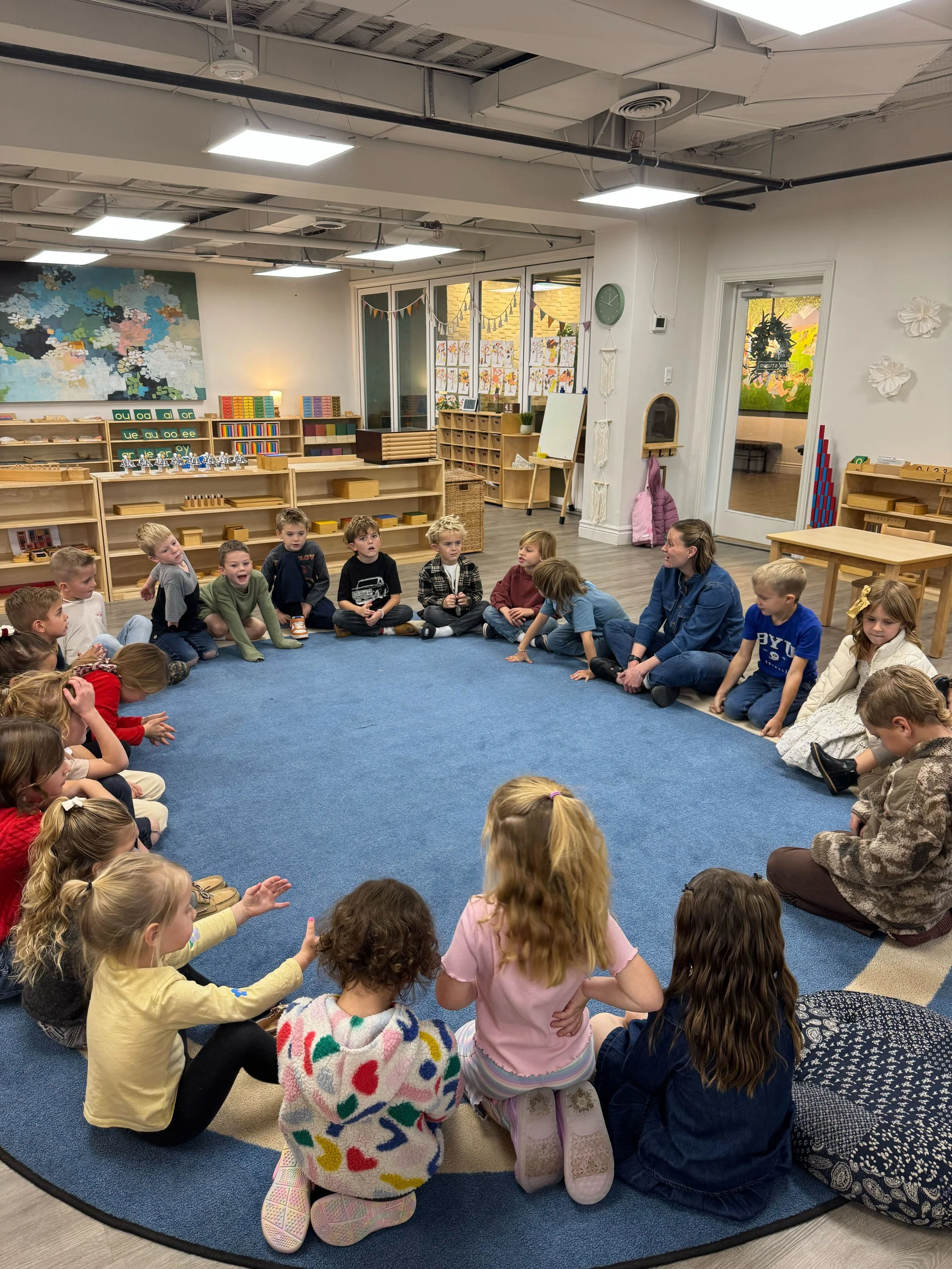
Powerful discussions develop deep thinking, clear communication, and ethical judgment.
Instead of answering questions with one “right” answer… Students experience: wrestling with real dilemmas- like stepping into Harry Truman’s shoes to debate whether to drop the atomic bomb. They weigh evidence, consider multiple perspectives, and grapple with different ethical frameworks in thoughtful, respectful dialogue.
-
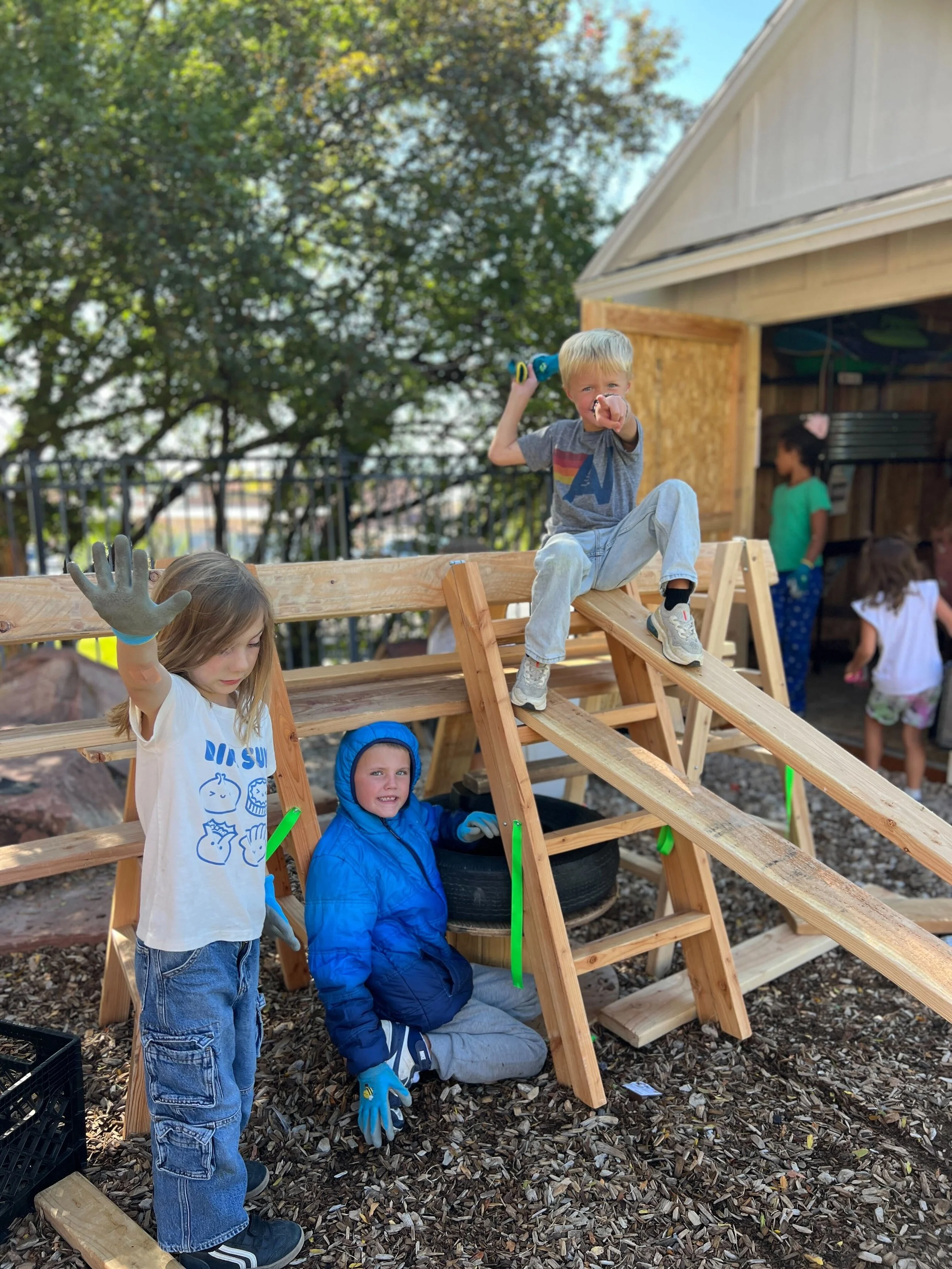
Spark Studio
PK-4 through 1st Grade
-
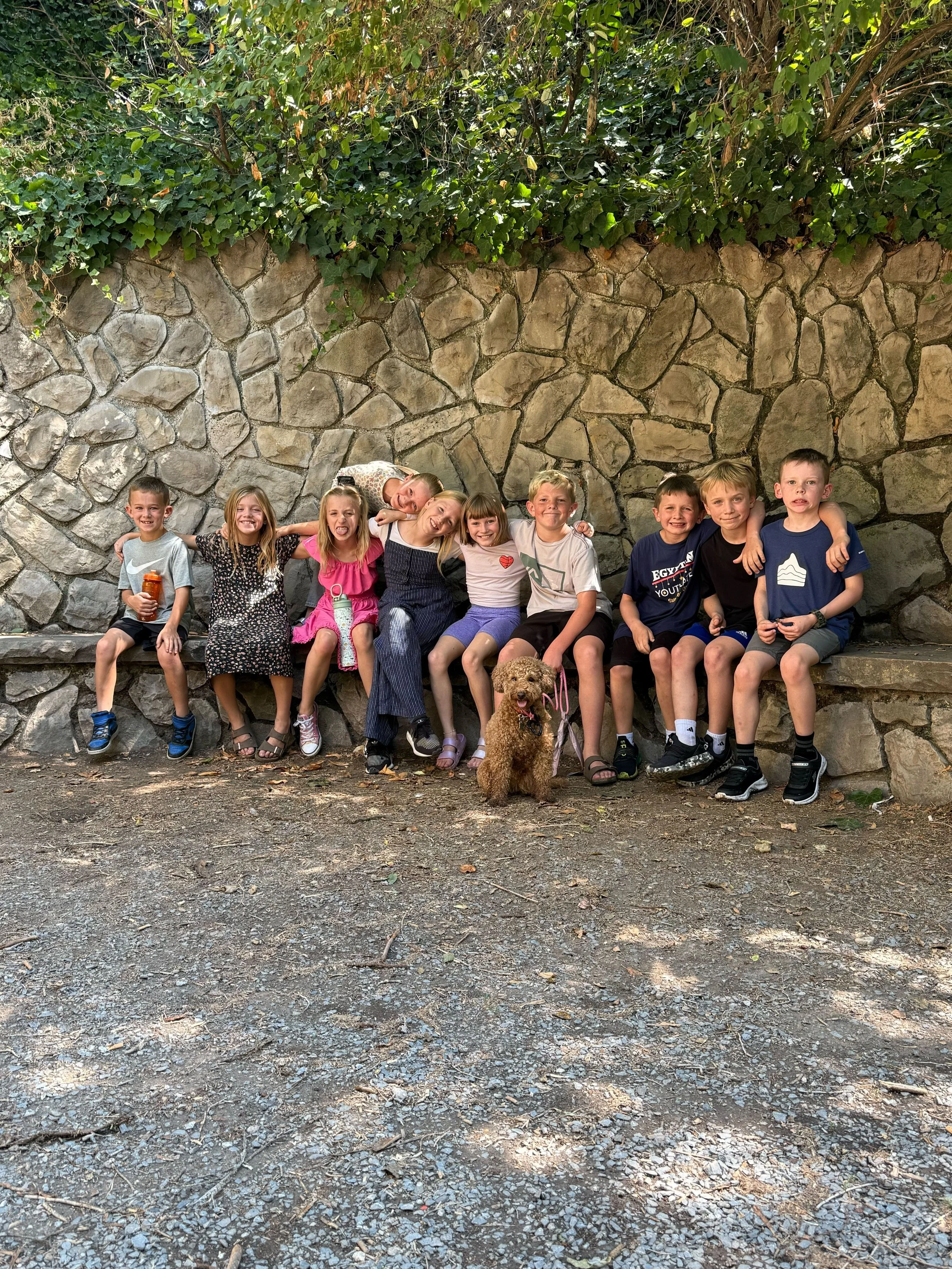
Curiosity Studio
1st through 4th Grade
-
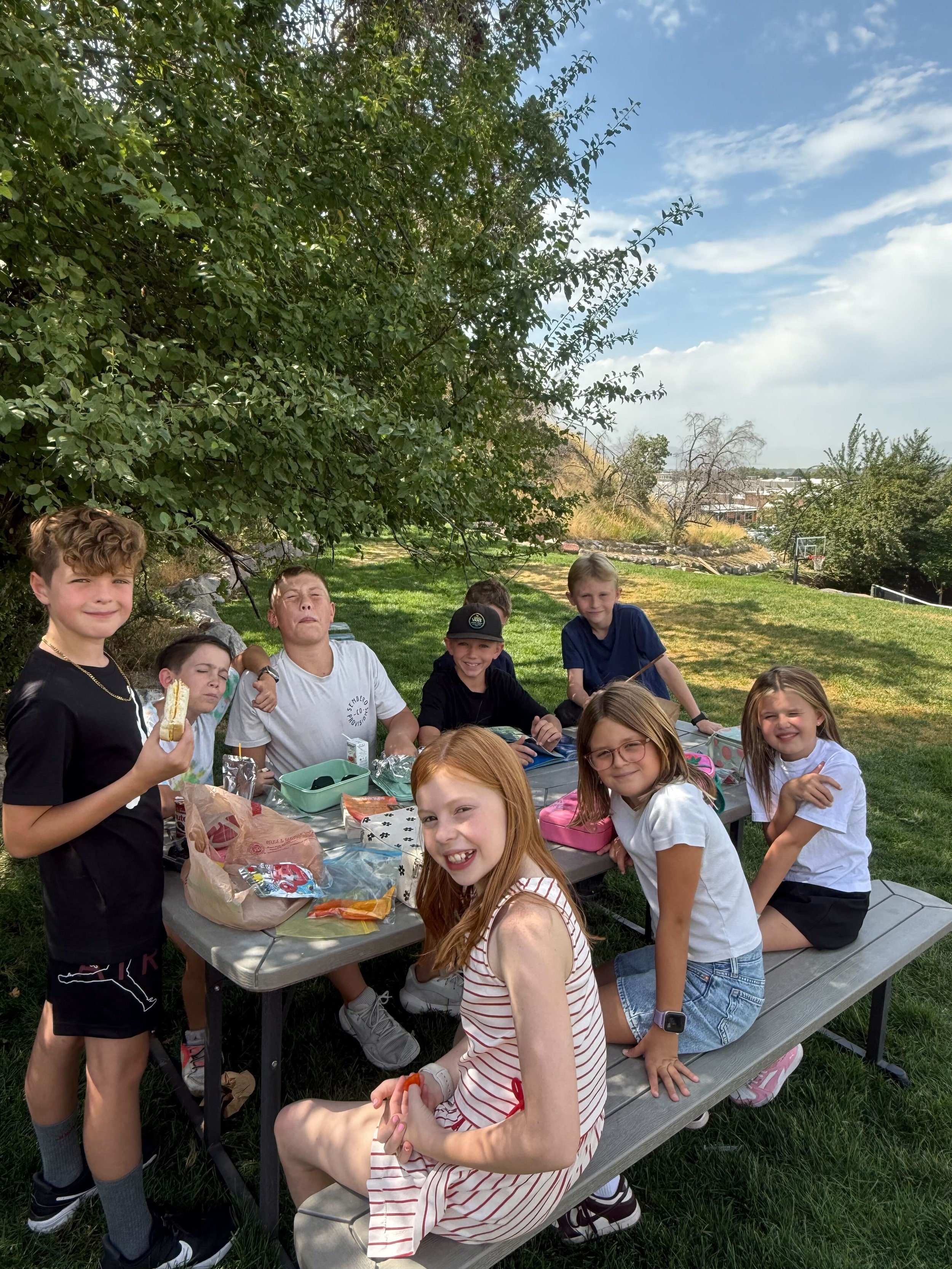
Discovery Studio
4th through 6th Grade
-
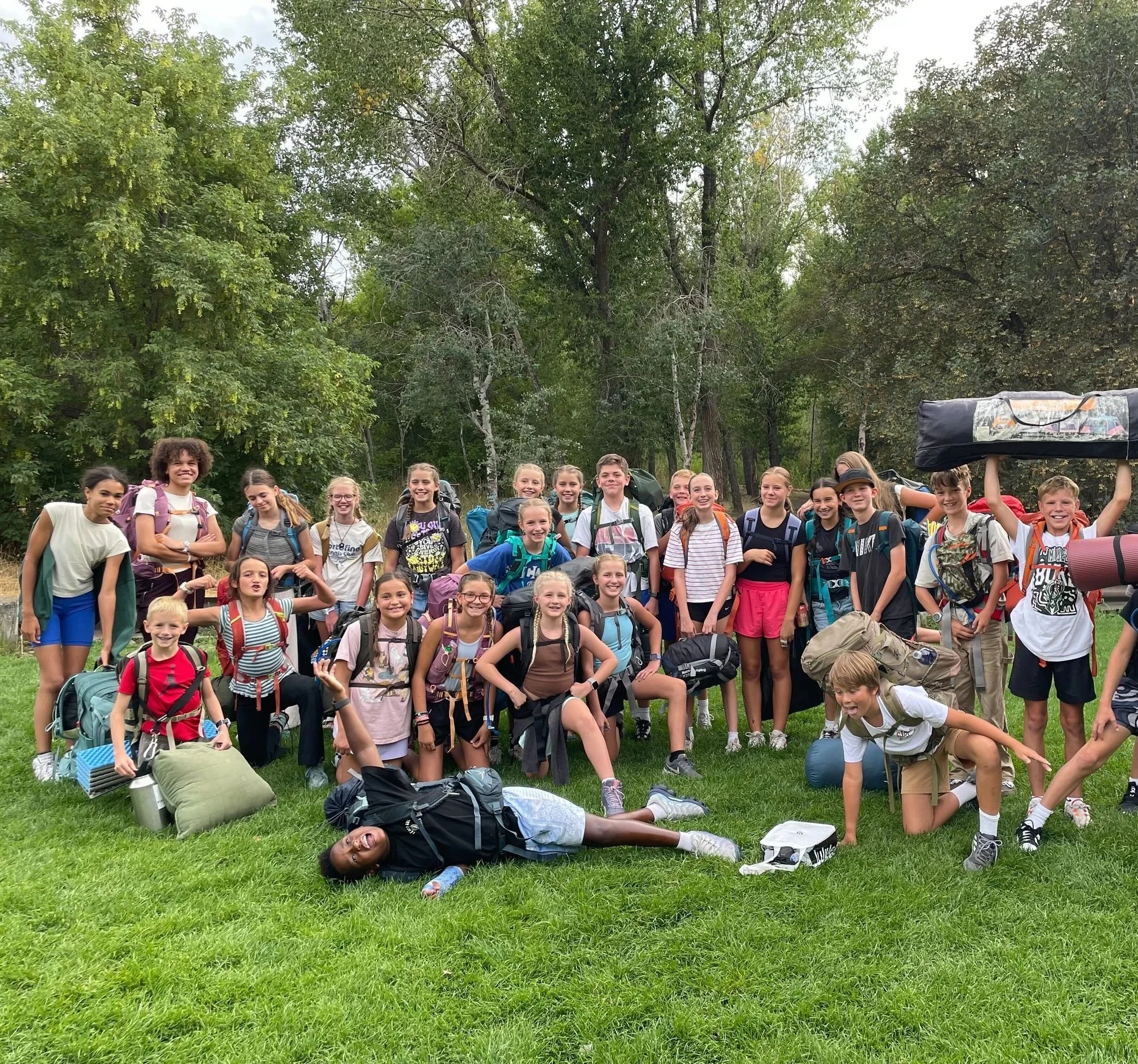
Adventure Studio
6th through 8th Grade